To start operating with the app, the user must download the application, register and declare a credit card.
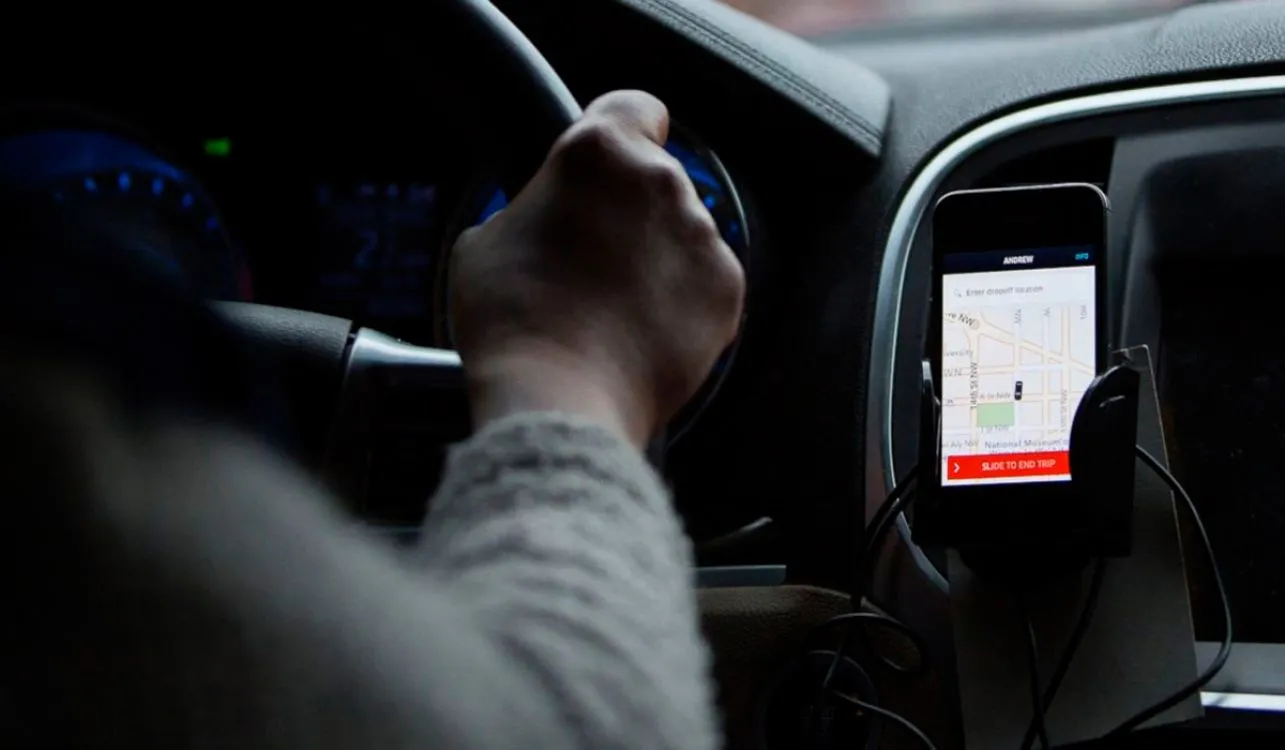
The app bases its operation by using the geolocation, connectivity and GPS functions of the mobile phone to achieve its correct operation.
The highlights
Passengers and operation
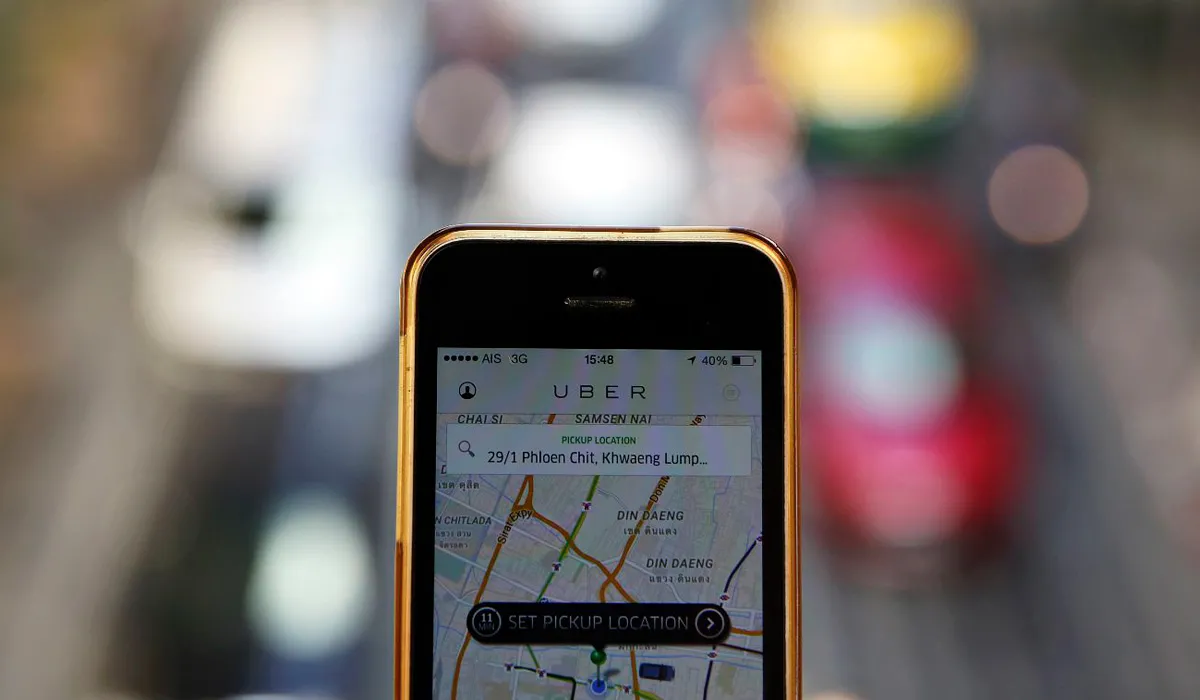
In order to use the service, the user will open the mobile application and indicate where they are located, then indicate the chosen destination on a map.
The system will calculate the distance to travel and show the approximate price to pay. The user can choose different vehicles according to their convenience and press the button that activates the order.
Uber assigns the closest vehicle available and provides the user with the vehicle license plate, information about the driver with their data and photos, the possibility of calling him or canceling the order.
Once the vehicle arrives, the user boards it and it will take him to his destination. Once the destination is reached, the user will be able to rate the driver/vehicle, and at that moment the App will charge the corresponding payment to the user's credit card.
How to Pay?
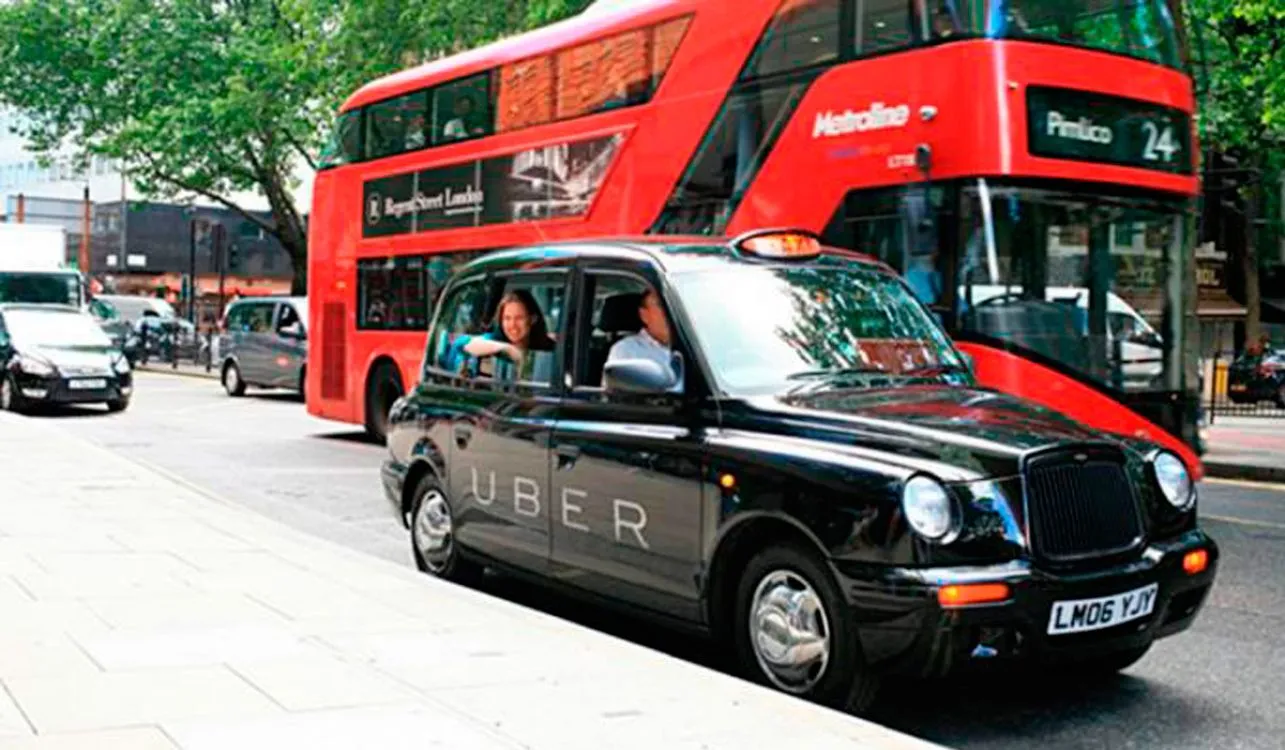
As we mentioned previously, UBER does not handle cash, since the passenger pays for the trip using a credit card.
The rates are usually lower than those of a conventional taxi.
The problem with taxi drivers
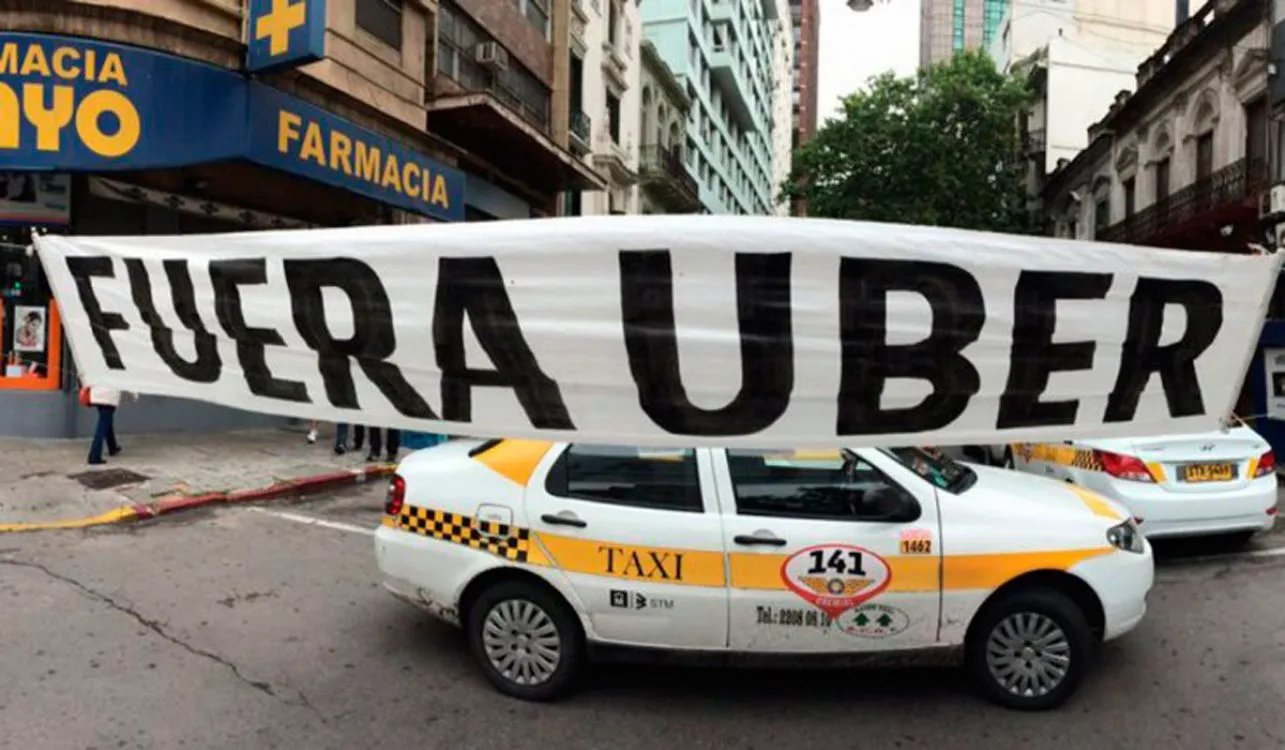
Protests, rumors of job loss, street and route closures, judicial protections, threats, prohibitions on use, are some of the common situations that occur every time Uber arrives in a city.
The truth is that the conflict between taxi drivers and "ubercistas" does not go unnoticed. Users, on the other hand, defend the practicality of Uber and, on the other hand, their wallets, as it is cheaper than a conventional service.
Drivers and vehicles
Uber drivers must meet certain requirements for the company to approve applications:
- Not have a criminal record
- Not be in the VERAZ
For their part, the vehicles must comply with:
- Not be more than 10 years old
- 4 doors minimum
- Have vehicle insurance.
Conclusion
Some questions arise regarding its use. Do they pay the taxes they should? Is it unfair competition for taxi drivers? What is undeniable is that it is a modern, versatile, and evolved system that, through the use of technology, provides a different, more economical service than traditional transportation services. I don't believe its use should be prohibited, but it should be regulated by governments.
Updated on: 25/04/2016 00:00:00
Sistemas a medida y Automatizaciones
Desarrollamos sistemas a medida que automatizan procesos, mejoran la gestión y te permiten escalar tu negocio con soluciones ágiles y flexibles.