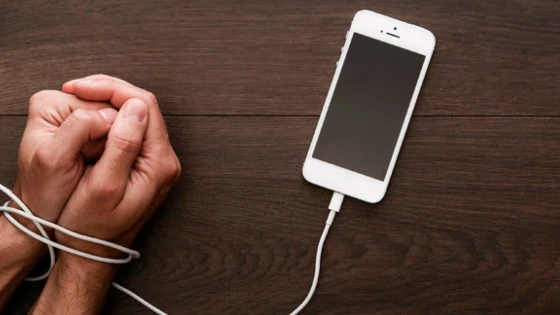
The term comes from the Anglicized word nomophobia, which means "no-mobile-phone-phobia", and is considered, along with others, one of the new diseases of the 21st century.
According to the latest studies, it is estimated that at least 50% of users suffer from it.
How does it manifest?
The fact produces absolute slavery to the mobile phone and addiction, which is usually uncontrollable for some users. Feelings of anxiety, tachycardia, obsessions and even headaches and stomach pains are some of the symptoms that characterize extreme nomophobia.
Do not turn off your cell phone at night; It doesn't matter what excuses we make and I include myself here; It interrupts hours of sleep, therefore insomnia is a direct consequence in nomophobics.
According to experts, nomophobia usually occurs in people who are insecure and have low self-esteem. It has been detected that it usually occurs more frequently in youth, and regarding sex it predominates mostly in women.
But when does it really occur? When the subject...
- runs out of battery on his mobile device
- when going out, he forgets the device somewhere
- he does not have or does not have an internet connection
How to detect it?
There are certain indicators that are initially detected by family and friends, who will be in charge of making small complaints about his behavior. This is because the individual; without realizing it; shows addiction to the mobile device in such a way that he does not participate in conversations because he is interacting with his device. He does not answer specific questions or answers them poorly because he diverts 100% of his attention to what is happening on the screen and not to what is happening around him. You sit down to eat with the device on the table, take it to bed, to the bathroom, and even at social gatherings; instead of talking with their peers; He does it through chats with other people who may be hundreds of kilometers away. They usually wake up in the morning and the first thing they do is activate their device and connect to the internet to see what they missed while they were sleeping.
I found it very interesting to comment on this disease, and while I was getting information about nomophobia on different websites on the internet, I realized that in a certain part I have some nomophobia. Although my work life is mainly focused on technology, I will have to solve as soon as possible some dark points that happen to me on a daily basis.
Okay, I'm nomophobic, how do I treat it?
As with any addiction, the first thing is to be honest with yourself and recognize that you really suffer from the symptoms described above. You will have to help yourself by regulating and setting times for each activity, but it will depend on a lot of will and behavior.
It is also advisable to treat personal safety or see a way to raise your self-esteem. These behaviors often occur because the person feels pressured in some aspects of their life and they channel their disappointments by taking refuge behind a mobile device to hide their true problems. If you think you will not be able to "self-heal" it is best to consult a professional.
I hope it helps you, technology is very good but do not abuse it, like everything in life you have to find a balance.
Controlling your addiction
Starting with something, some ingenious people created an app called Break Free, which works as a monitoring system, generating statistics and reports that will help you start combating excessive dependence on your smartphone.
The platform will send you alerts when you exceed the configured time for healthy use of your mobile device. In addition, it will have a graph that shows you the degree of addiction on a scale of 0 to 100. The highlighted phrase is Take a break, you e on your phone too much, is one of the notifications from this free tool available for Android. Don't worry, iPhone users, you can also download the app for iOS.
Updated on: 05/06/2023 00:00:00
Source of Information: Varios en diferentes sitios web