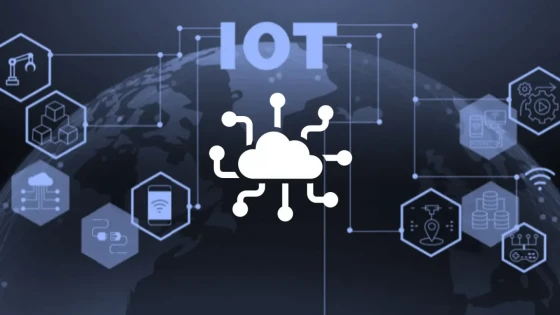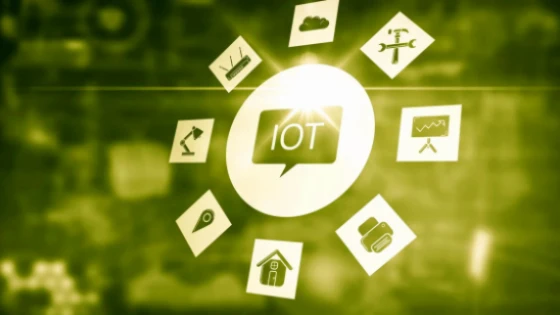
The Internet of Things (IoT) has become one of the most disruptive technologies of recent times.
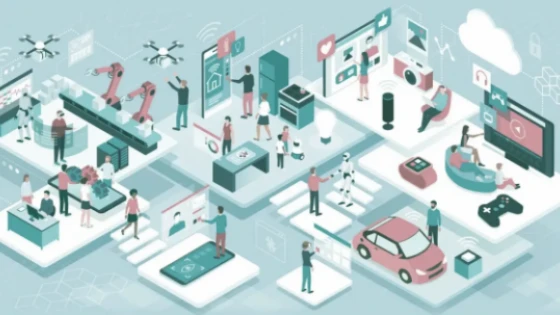
This interconnection has given rise to a more intelligent and connected world. IoT devices, such as home appliances, environmental sensors, security systems and wearables, are equipped with sensors and actuators that allow them to collect data and perform actions autonomously.
The IoT has revolutionized different sectors, such as smart home, healthcare, industry and logistics. In the smart home, IoT devices make it possible to control and automate various functions, such as lighting, temperature control, security and appliances, through an internet connection.
In the healthcare sector, IoT devices have made it easier to remotely monitor patients, allowing doctors to more accurately track their health and provide personalized care. Furthermore, in industry and logistics, IoT has improved efficiency and process management, through real-time monitoring, supply chain optimization and predictive maintenance.
However, IoT also poses challenges in terms of security and privacy. With the large amount of data collected and transmitted, it is essential to ensure the protection of personal information and the security of connected devices. Strong security measures, such as data encryption and access control, are required to mitigate the risks associated with IoT.
The Internet of Things has transformed the way we interact with the world, enabling the intelligent interconnection of everyday devices and objects. As this technology continues to evolve, we are likely to see an increase in its adoption and the emergence of new applications that will improve our daily lives and our efficiency in various sectors.

Automatización de procesos
Conectamos herramientas y automatizamos tareas para que tu negocio funcione de forma más eficiente, reduciendo la intervención manual y mejorando la productividad.