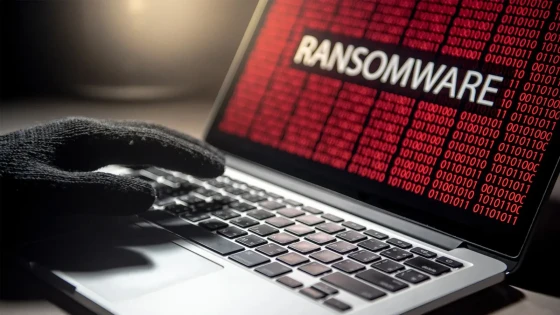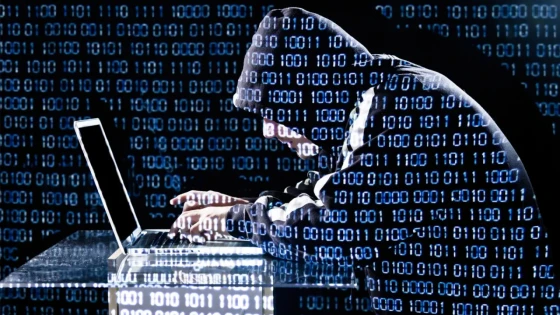
Cybersecurity. This is the key word in which the entire society must be involved. This Monday, November 30, World Cybersecurity Day was celebrated and S2 Grupo, a company specialized in security, has carried out a research study to understand the habits of the Spanish population regarding online security. After analyzing the behavior of 3,500 users, it is clear that there is still much to do.
You can also see: Why is cybercrime increasing in Latin America? Are cybercrimes increasing in Latin America?
One of the surprising conclusions is that 47% of those surveyed declare that they have suffered an attack against their privacy, such as password theft, hacking of accounts or social networks, while 60% acknowledge that they do not regularly change their passwords, nor do they have a security code activated on their smartphone.
The lack of awareness about the real risks of the Internet is, therefore, once again evident. "From my point of view, it seems that more things have to happen to learn that it is essential, just as we do in the physical world, to take measures that reduce the risks in which we are immersed," Rafael Rosell, S2 Group Commercial Director, explains to ABC. And in this sense, remember a phrase that Ramón y Canal said: "The worst thing is not to make a mistake, but to try to justify it, instead of taking advantage of it as a providential warning of our levity or ignorance".
"Smartphone" Objective
The user is not yet able to react and become truly aware of the dangers that circulate on the Internet and the scope that the theft of your Gmail or Facebook account can mean, even if they are anonymous and non-famous people. "This is our particular fight," he acknowledges. For this reason, "Digital Children" was born, a blog that acts as a meeting point between people and technicians to help them have safer habits in the use of technology.
Another problem arises from the ease with which we are connected. That is, the smartphone, that small computer that always accompanies us, with which you check the movements of your bank account from a Wi-Fi network, with which you download files and entertain yourself throughout the day with any of the applications you have installed.
All entertainment that, however, has become a priority target for cybercriminals. "More than 800,000 new targeted viruses are detected in mobile environments every quarter, more than double that of 2013," says Rosell. And it will go further. According to the 2014 Information Society report, more than 26.5 million Spaniards regularly connect to the Internet, most of them through their smartphone.
The worst of all is that 33% of those surveyed acknowledge using their phone to share sensitive or personal information through applications such as WhatsApp or email services without reading the terms of use and conditions they require (a 43%).
Prevention
"It is absolutely essential that the user reads the conditions of an App", insists the expert. "If we were aware of these terms we would surely change our minds. Why would a free App need to turn my flash into a flashlight or permission to read my emails? Permission to access all the files?" he asks. "When things are free, the product is us", he remembers.
Another interesting fact is that 15% declare having suffered an online scam or improper charge due to their malpractice and that 78% of those surveyed say they are reluctant to hand over their data online, as stated in their S2 Grupo study. "For example, there are applications that activate the sending of premium messages to certain telephone numbers with the subsequent charge to the owner of the mobile phone. Even the activation of calls to paid numbers", exemplifies the expert.
The work of raising awareness in matters of digital security is key to reducing these figures. And prevention is the best way to avoid scares or crimes such as scams or identity theft. Habits as simple as "always closing sessions from a computer, changing passwords from time to time, or not connecting to open and unknown Wi-Fi networks can avoid major problems", says Rafael Rosell.
Updated on: 01/12/2015 00:00:00
Source of Information: ABC Tecnología
Disclaimer: The information presented does not constitute financial, investment, commercial or other advice and is solely the opinion of the writer. By using the information on this site, you agree that we are not responsible for losses, damages or injuries arising from the use or interpretation of the information.

Soporte Web y mantenimiento
Nos encargamos de mantener tu sitio web o sistema actualizados, seguros y funcionando correctamente.