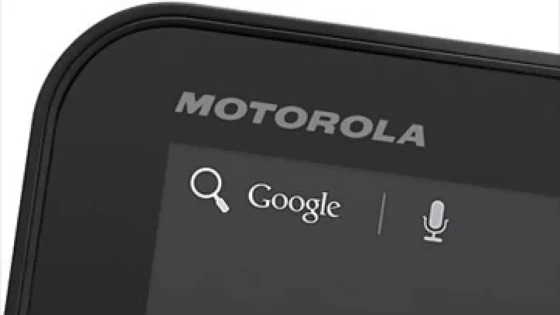
Google's biggest foray into the hardware field comes weeks after its failed attempt to buy patents from the bankrupt Nortel, and gives it a wealth of intellectual property in mobile telephony to confront Apple and Microsoft.
In addition, this acquisition allows Google to obtain the nearly 17,000 patents held by Motorola Mobility and the other 7,500 that it was about to acquire, as well as protect the exploitation system a little more from its rivals, especially from Apple and Microsoft.
But by acquiring Motorola, the internet giant alienates its hardware partners that use its free Android software. Google CEO Larry Page sought to calm nerves by highlighting that Android will remain open to everyone.
"The danger is that other mobile phone makers will feel left out," said Nomura Securities technology specialist Richard Windsor.
"Motorola is the weakest player. This could really bring down the entire community," he added.
Motorola Mobility shares soared 59%, while Nokia shares rose more than one 10% due to speculation that the Finnish company is now a possible acquisition target.
The operation - which took Wall Street by surprise - appears to mark a change in the strategy of a company that has focused on shoring up its empire on the Internet with forays into areas such as video and social networks.
Shortly after having failed in its attempt to buy thousands of patents from the bankrupt firm Nortel, Google's legal chief, David Drummond, accused Microsoft, Apple, and Oracle among others are colluding to block increasingly popular Android software by purchasing patents.
Page echoed Drummond's comments in a conference call and said that Motorola has a strong patent portfolio that will protect Android from "anti-competitive threats."
While Apple's iPhone is one of the most talked-about phones in history, Android has managed to overtake it as the market leader by gaining the support of numerous phone manufacturers. phones, including Samsung, Motorola's biggest rival.
Android controlled about 43.4% of the smartphone market at the end of the second quarter, ahead of Nokia, which had 22%, according to Gartner data. Apple was third with 18 percent.
Google said the deal will be closed by the end of 2011 or early 2012 and that it will run Motorola Mobility as a separate business.
The deal requires approval from regulators in the US, the European Union and elsewhere, as well as the blessing of Motorola Mobility shareholders.
Source of Information: Infobae
Disclaimer: The information presented does not constitute financial, investment, commercial or other advice and is solely the opinion of the writer. By using the information on this site, you agree that we are not responsible for losses, damages or injuries arising from the use or interpretation of the information.