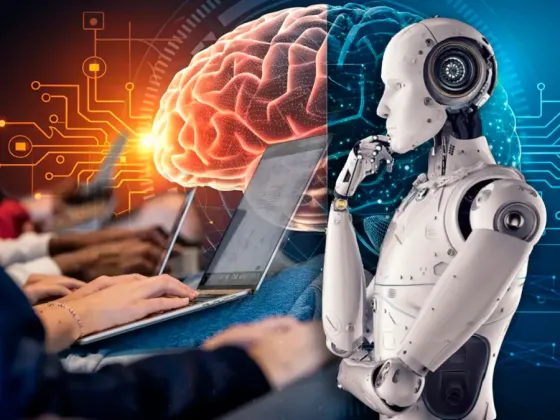
In this article we will talk about the impact of Artificial Intelligence (AI) in the field of medicine and also about the ethical and regulatory challenges associated with the implementation of AI in medicine and reflect on the exciting future of this technology.
Artificial Intelligence has revolutionized the way medicine is practiced, offering new tools and capabilities to improve diagnosis, treatment and patient care. In this article, we will explore the impact of AI on medicine and the progress made so far.
medical diagnosis
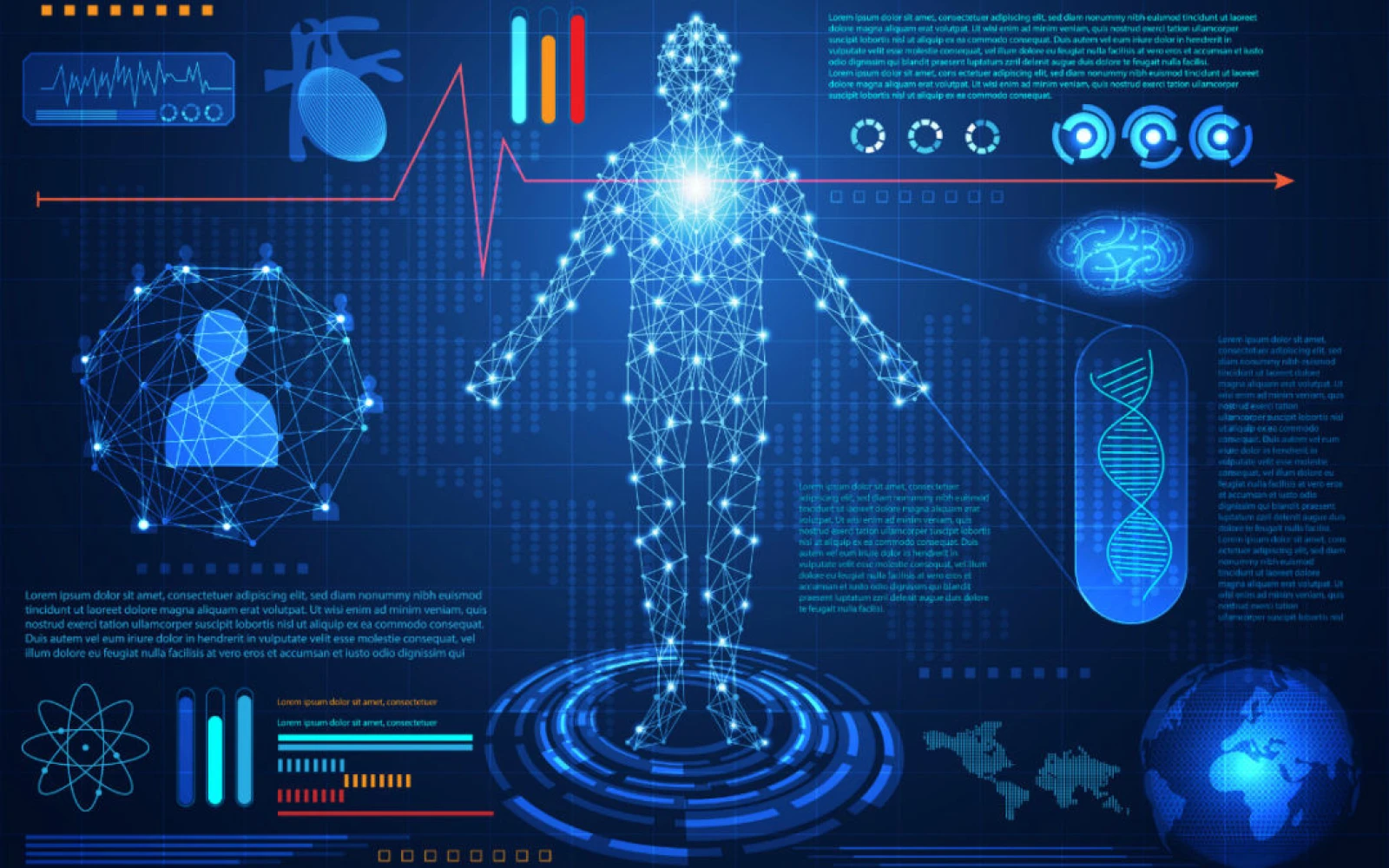
AI has proven to be a valuable tool in medical diagnosis.
Machine learning algorithms can analyze large amounts of clinical data, medical images, and patient records to detect patterns and diagnose diseases more accurately.
AI can also assist in the interpretation of images, such as X-rays, CT scans, and MRIs, improving early disease detection and clinical decision making.
Drug research
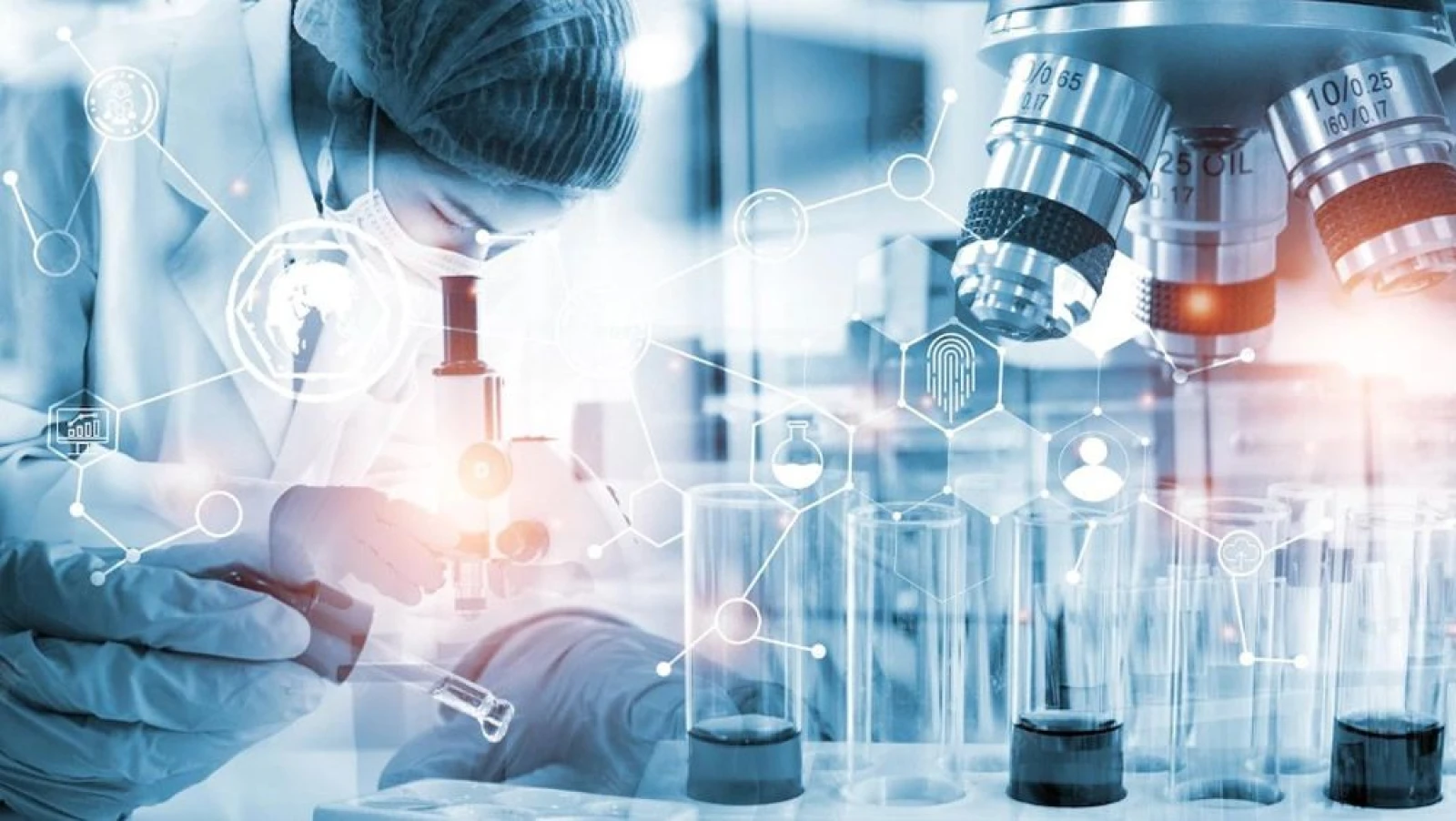
AI has accelerated the process of drug discovery and development.
AI algorithms can analyze large databases and perform simulations to identify potential compounds and predict their effectiveness. This has led to the identification of new therapeutic targets and the design of more effective and personalized medications.
Patient care
AI also has a significant impact on patient care.
AI-based virtual assistants can provide automated answers to common medical queries, provide education about diseases and medications, and help patients monitor and manage their health. Additionally, AI systems can help in early detection of changes in patients' health and provide alerts to medical professionals.
Health data management

AI makes it easier to manage and analyze large volumes of health data.
AI systems can extract relevant information from electronic medical records, clinical reports and other health data, assisting doctors in decision making and improving coordination and efficiency in healthcare.
Ethical challenges and considerations
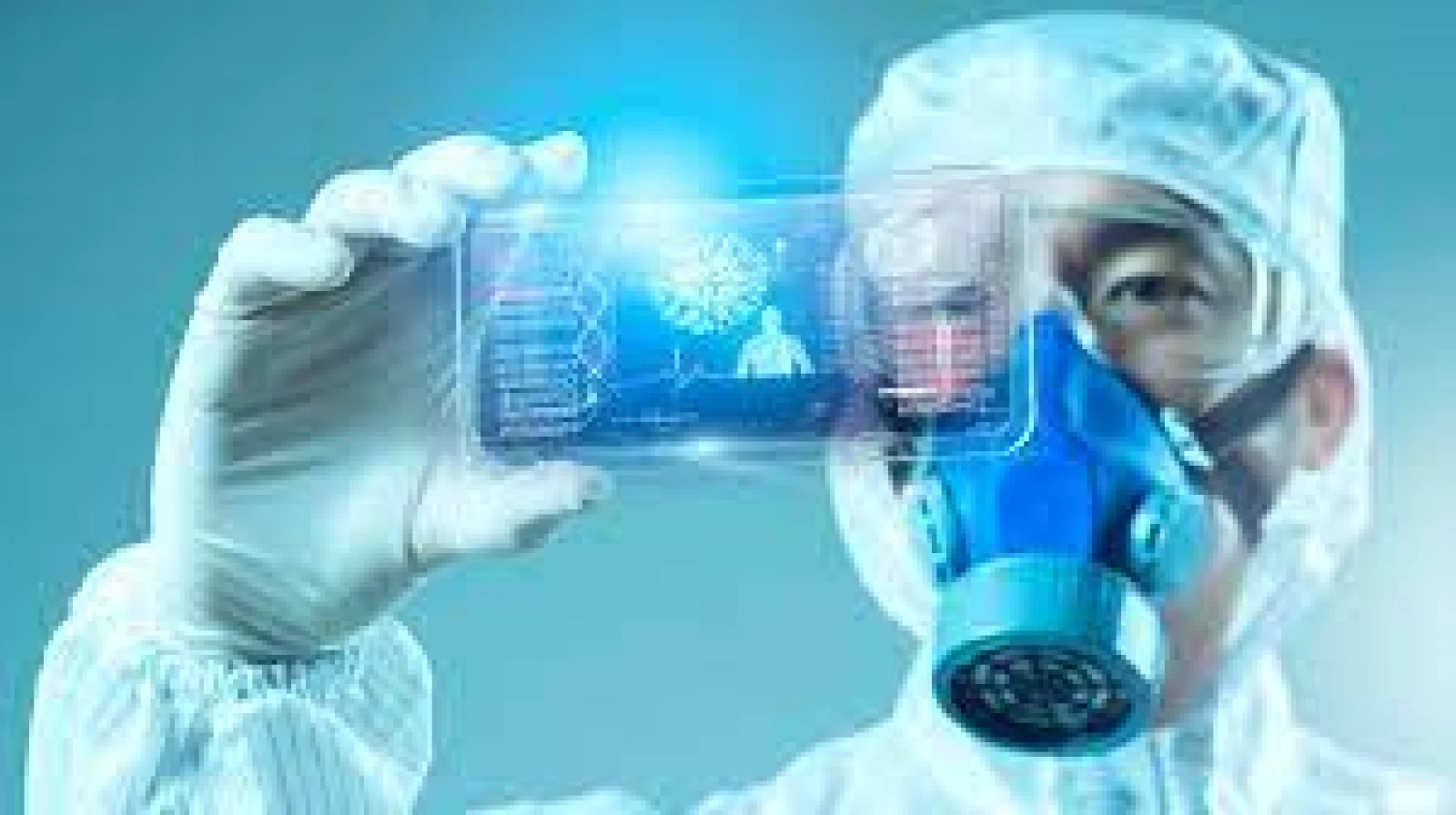
Despite the benefits, the implementation of AI in medicine poses ethical and regulatory challenges.
Data privacy, liability in case of errors, and the need for transparency and explainability of algorithms are critical aspects to address.
The future of AI in medicine

The future of AI in medicine is exciting.
AI is expected to continue advancing in treatment personalization, precision medicine, and prediction of clinical outcomes. Additionally, AI can play a crucial role in managing epidemics, discovering innovative therapies, and improving overall healthcare.
Artificial Intelligence has had a transformative impact on medicine, from diagnosis and drug research to patient care and health data management.
Although challenges exist, the potential of AI to improve health outcomes and save lives is undeniable. With an ethical approach and collaboration between medical professionals and AI experts, we can make the most of this technology and create a promising future in medicine.

Automatización de procesos
Conectamos herramientas y automatizamos tareas para que tu negocio funcione de forma más eficiente, reduciendo la intervención manual y mejorando la productividad.