The first medical diagnosis technology using artificial intelligence, tested with 1,500 patients from the Clínic de Barcelona and Clínico San Carlos hospitals in Madrid, was correct in 91 percent of the cases, according to the results of the trial presented today at the Health 2.0 Europe congress, in the Catalan capital.
It combines artificial intelligence tools, natural language recognition and patient data to detect symptoms and offer a list of possible diseases, recommendations and even connect online with medical personnel to receive additional advice, as reported today by the EFE agency.
The platform learns from each interaction and developed advanced intuition after 1.3 million symptom evaluations in 195 countries, similar to that of a medical professional with 40 years of experience.
According to its promoters, it is the first scientifically supported health evaluator based on artificial intelligence.
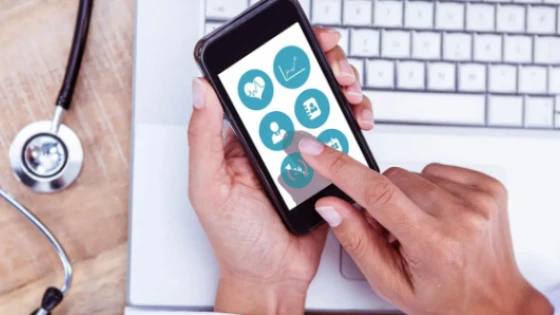
Just like a doctor, Mediktor - the name of the technology - does a series of simple questions to the patient (using an application on a phone) until reaching a list of possible prediagnoses.
Thanks to its powerful semantic engines, this technology is capable of interpreting the symptoms explained by the user by using natural language and carrying out a complete digital medical questionnaire.
"The new prediagnosis tools are transforming the way in which people access the healthcare system, providing enormous benefits for medical teams and professionals, patients and insurers," he indicated. Cristian Pascual, co-founder of this technology.
"However, to enjoy these benefits, we must first ensure the precision and scientific endorsement of these technologies, which is why we are proud to offer to the market the first symptom evaluation platform based on artificial intelligence endorsed by the scientific community," he added.
For his part, Joan Cháfer Vilaplana, doctor at the Innovation Unit of the San Carlos Clinical Hospital, stressed the importance of predicting the need for hospital admission of patients. patients.
Updated on: 06/05/2017 00:00:00
Source of Information: La Nación

Automatización de procesos
Conectamos herramientas y automatizamos tareas para que tu negocio funcione de forma más eficiente, reduciendo la intervención manual y mejorando la productividad.