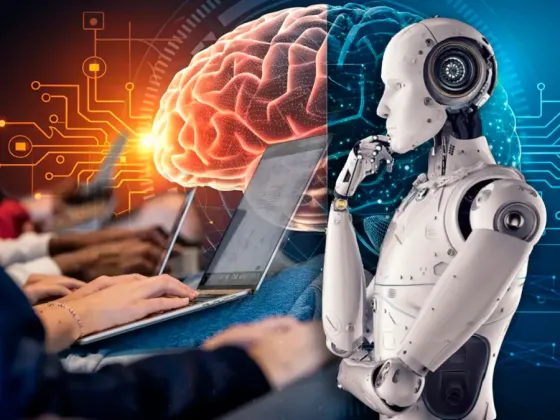
The lack of complete understanding of how these advanced systems can evolve and behave autonomously poses the threat of unintended consequences, such as biased decision-making or actions detrimental to society.
Firing and subsequent reinstatement of Sam Altman, CEO of OpenAI
A recent episode surrounding the dismissal and subsequent reinstatement of Sam Altman at OpenAI highlights the complexities and risks inherent in the rapid advancement of Artificial Intelligence (AI), especially in a context where the influence of technology companies and ethical implications are at center stage.
In this debate, concern is heightened about the future direction of OpenAI and its developments in AI. The rapid restructuring of the board of directors in response to global backlash suggests that strategic decisions in this cutting-edge field not only have internal consequences, but also have a considerable impact on public perception and trust in the emerging technology.
With just days to celebrate the first anniversary of ChatGPT, concerns are emerging about the risks posed by this technology and its emblematic advances in language models.
Other companies and their advances in AI
Meta, Google, Microsoft,
The concentration of power in the hands of some corporations raises questions about the control and proper oversight of these technologies, as well as the influence they can exert on ethical decision-making.
It is essential that society carefully consider how to manage and regulate the development of this emerging technology. The rapid evolution of AI poses ethical challenges, from job displacement to concerns about the control and autonomy of advanced systems. Collaboration between industry, academia, and policymakers is crucial to establishing ethical and legal frameworks that balance innovation with human safety and well-being.

Automatización de procesos
Conectamos herramientas y automatizamos tareas para que tu negocio funcione de forma más eficiente, reduciendo la intervención manual y mejorando la productividad.